
Faith Expressed Through Public Witness
Faith is often framed as something personal or private, something practiced once a week or behind closed doors. Something that shapes our hearts and minds without interrupting or interacting with our everyday lives.
Yet, time and again throughout scripture, faith refuses to stay contained. It flows into city streets, temple courtyards, and communal wells, showing up in the ordinary, public places where life unfolds.
In this series, we’re exploring what it means to practice faith in the world around us through creativity, community, and courageous action.
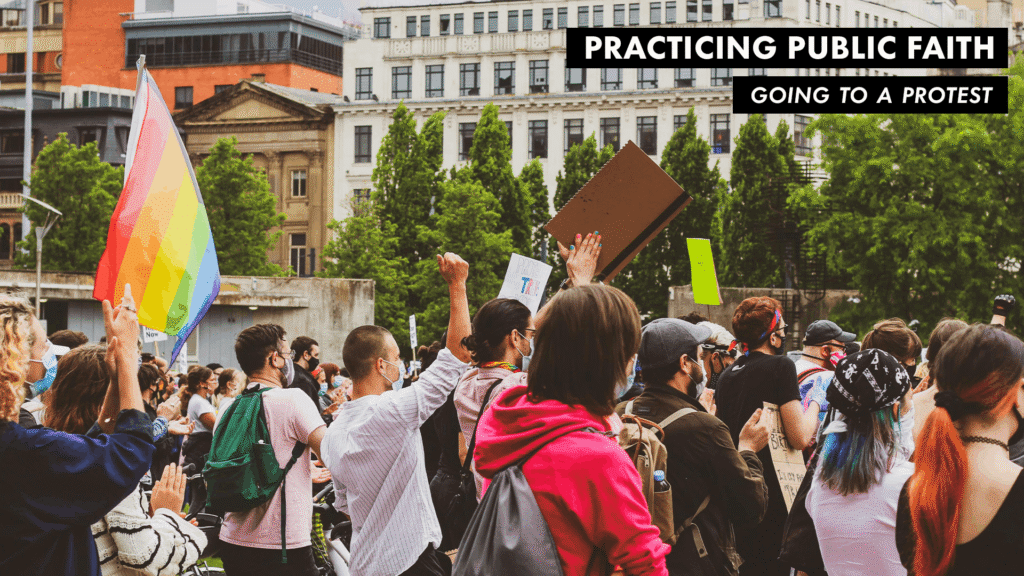
Before We Begin
Not everyone can or should attend a protest.
Public demonstrations can carry real risks—whether professional, relational, physical, or legal. Parents, caregivers, disabled folks, undocumented neighbors, and those navigating trauma or anxiety may need to engage differently.
And that’s okay. Public witness through protest is one expression of faith, but it’s not the only one.
If attending a protest feels accessible and aligned for you, this guide is here to help you prepare your body and spirit. If not, there are many other ways to practice public faith.
More ways to practice public faith:
- Craftivism: Practicing Public Faith Through Creative Resistance
- 10 Ways to Digitally Share Love and Pride
What to Expect at a Protest
Attending your first protest can be intimidating. You may have questions about what to do, how to prepare, or what it will be like. This blog post aims to ease some of your concerns, answer your questions, and provide all that you need to ensure an enjoyable protest/march experience.
Every protest is different. Some are large and loud. Others are quiet and reflective. Some include marching. Others gather in one location.
You may encounter:
- Speeches from community organizers, faith leaders, or local politicians
- Storytelling, poetry, music, or calls to action
- Chants or songs
- Moments of silence or prayer
- Art, banners, and handmade signs
- Neighbors across generations, cultures, identities, and traditions
You do not need to be outgoing or know every chant, you don’t even need to stay the entire time. But you do need to be respectful and committed to non-violence during participation.
This might look like listening, holding a sign, passing out water or snacks, offering encouragement, or simply showing up.
Be gentle with yourself. Many people attend their first protest unsure of what to expect. There is often a quiet sense of shared humanity in these spaces—people gathering because they believe another way is possible.

Follow Local Leadership
Justice movements are shaped and led by those most directly impacted.
If you attend a protest, consider yourself a participant in a space guided by local organizers and community leaders. When in doubt, default to their direction.
That may mean:
- Following posted guidance from organizers
- Listening more than speaking
- Amplifying marginalized voices rather than centering yourself
- Respecting boundaries around media and messaging
Public witness is not about being the loudest voice. It is about aligning your presence with a movement already in motion.
How to Prepare for a Protest
Caring for yourself and the community is important. Thoughtful preparation can help you feel steady and informed.
Confirm details
Verify time, location, and accessibility information directly from the organizing group. If you have specific mobility, sensory, or health needs, look for accommodation details in advance or reach out to organizers with questions.
Go with community if you can
Attending with others can feel supportive. Coordinate transportation, decide where you’ll meet, and make a plan in case you get separated. Public transportation or carpooling is often encouraged.
Dress for comfort and pack light
Wear clothing and footwear that support your comfort and mobility. Dress for the weather. If you have clothing that reflects the cause, wear it! But comfort should always come first.
Bring water and, if needed, a small snack. If you use medications, mobility aids, ear protection, or other supports, plan accordingly. Keep what you carry manageable so you can move comfortably.

Know the nature of the event
Different protests carry different levels of risk. Some remain peaceful and structured. Others may involve civil disobedience or carry legal risk.
If civil disobedience is part of the event, organizers will usually communicate that clearly. Take time to understand what is planned and what risks may be involved.
Before attending, ask yourself:
- What level of risk am I willing and able to take?
- Who depends on me for care?
- Would legal consequences affect my (or my loved ones’) employment, immigration status, or safety?
Even at peaceful gatherings, it’s wise to think ahead. Consider how you’ll stay connected with your group, where you might relocate yourself if needed, and what signals (external or internal) would tell you it’s time to leave.
Not all discomfort is the same.
You might feel unsettled because you’re stretching into something new.
You might feel nervous because something is no longer safe.
Pay attention to the difference. There are many meaningful roles within a movement. Participating with integrity includes knowing your limits, honoring your capacity, and leaving when you need to.
Prepare Your Spirit
Pause before you go. Breathe. Pray. Set an intention rooted in love for your neighbors, for those most impacted, and even for those you disagree with.
Public witness grounded in love sustains us longer than outrage alone.

Do I Need a Sign?
No. Your presence is enough.
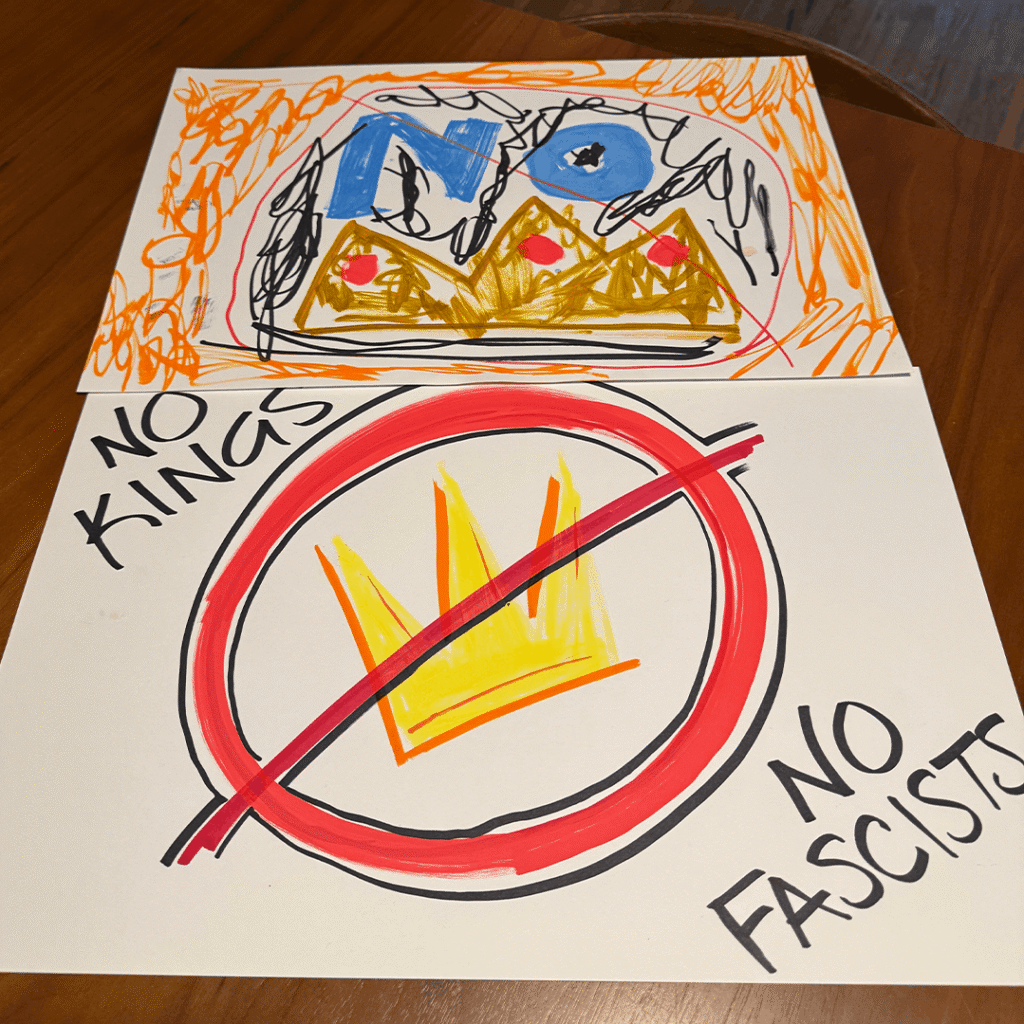
But signs can be a meaningful expression of solidarity. Some signs are carefully designed; others are cardboard and marker. Both are great! The most important thing to remember is to create what you are comfortable carrying and proud to share.
Sign-making can also be a communal practice—an opportunity for conversation, creativity, and shared intention before the event itself.
Need some creative inspiration? Download some of our free coloring pages and protest signs:
Teamwork Makes the Dreamwork
Attending a protest or march can be invigorating! When people gather from all walks of life in a central place to support a common cause, it’s uplifting and hopeful. It creates an energy unlike any other. Although things may seem challenging, there are glimpses of joy when we look for them.
As the band U2 once sang, “The power of the people is so much stronger than the people in power.”
Whether you participate in person, support organizers behind the scenes, donate, create art, write letters, pray, or care for others so someone else can attend, you are part of the long, faithful work of justice.
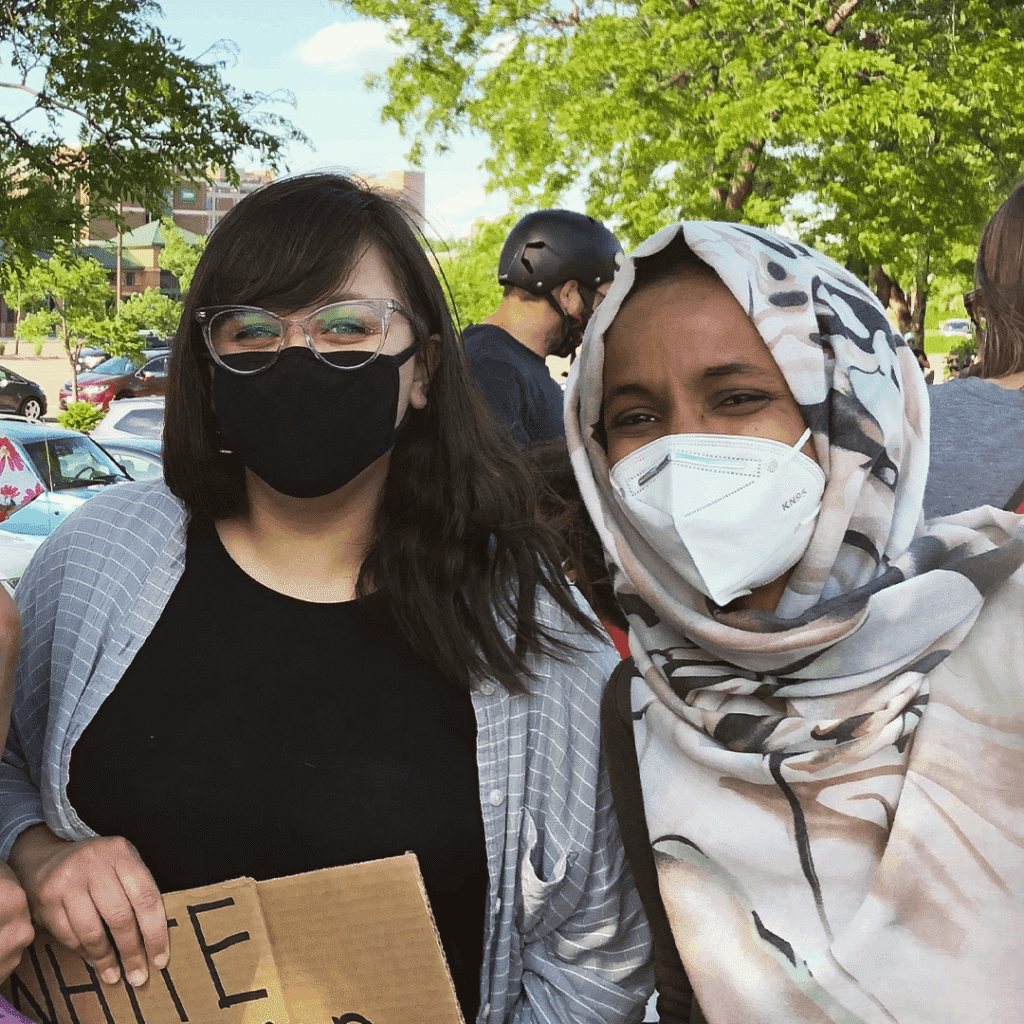

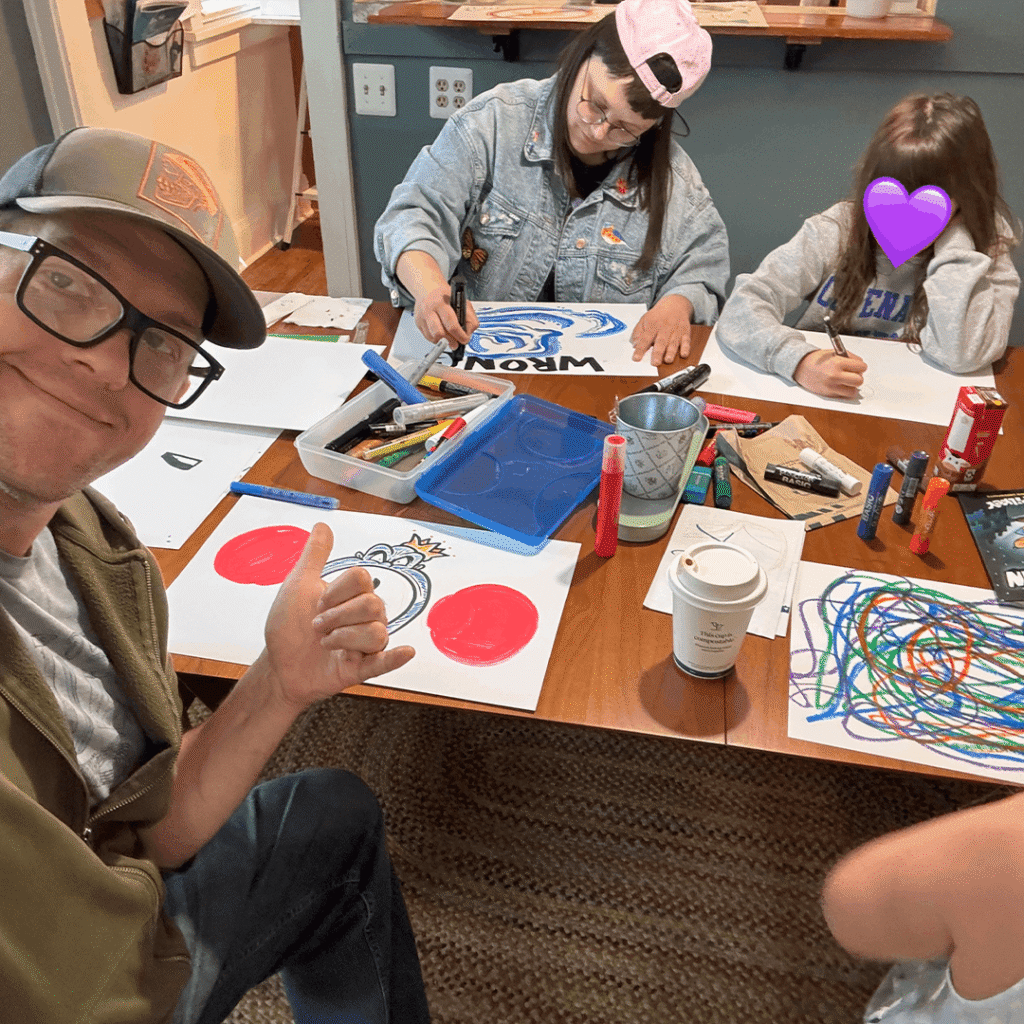

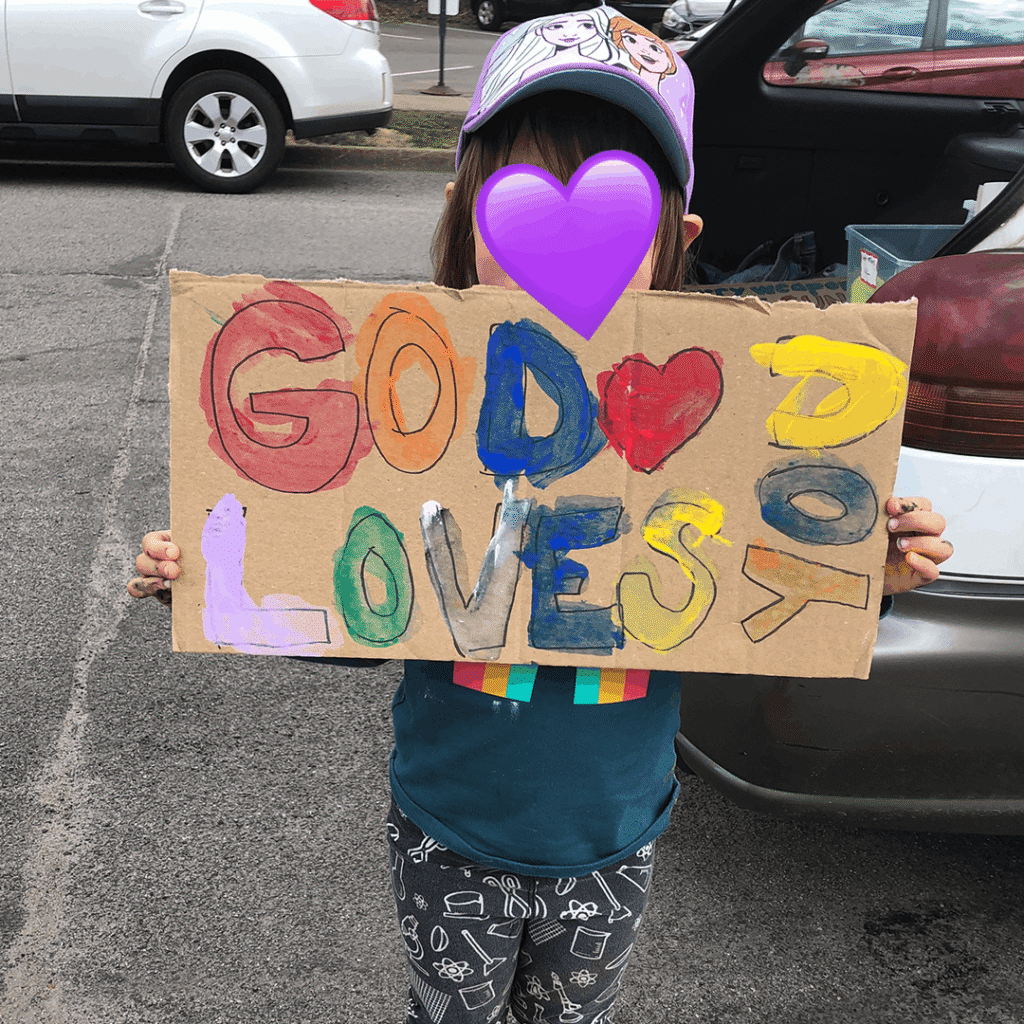


May your presence, however it takes shape,
reflect the expansive, life-giving love of God.
– The Illustrated Ministry team
Resources for Peaceful Protest
- HRC | Tips for Preparedness, Peaceful Protesting, and Safety
- Protesters’ Rights | American Civil Liberties Union
- Resource Guide & Community Response For No Kings Day
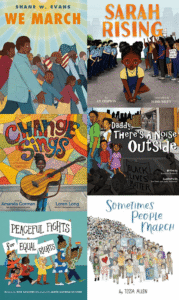
Picture Books to Help Kids Understand Protests
(bookshop.org links help support us and your local bookstores—win, win!)
Leave a Reply