
GUEST WRITER: HARRISON LITZELL
Neurodiversity is a beautiful part of our community.
Whether or not we are aware of it, members of our congregations will engage with the world differently in terms of sensory sensitivity, attention management, social interactions, and cognition. Some may have a formal diagnosis, others may have an understanding of their differences, and still others may not have explored this part of their life.
This reality invites church leaders to create a more inclusive church experience where people with all kinds of sensory, cognitive, and social experiences can fully participate.
Why Neurodiversity Matters in Worship
When we gather, we are making a statement that there is something holy and significant about focusing on God together. Because of this, it’s important to do so in ways that are accessible and inclusive of all members of our community.
As we engage with a generation of youth, children, and families who have greater access to language and resources around neurodivergence, we also have an opportunity to learn what meaningful inclusion in worship can look like.
Here are a few places to start.
Ways to Support Neurodiversity in Worship
Support Bodily Autonomy in Worship
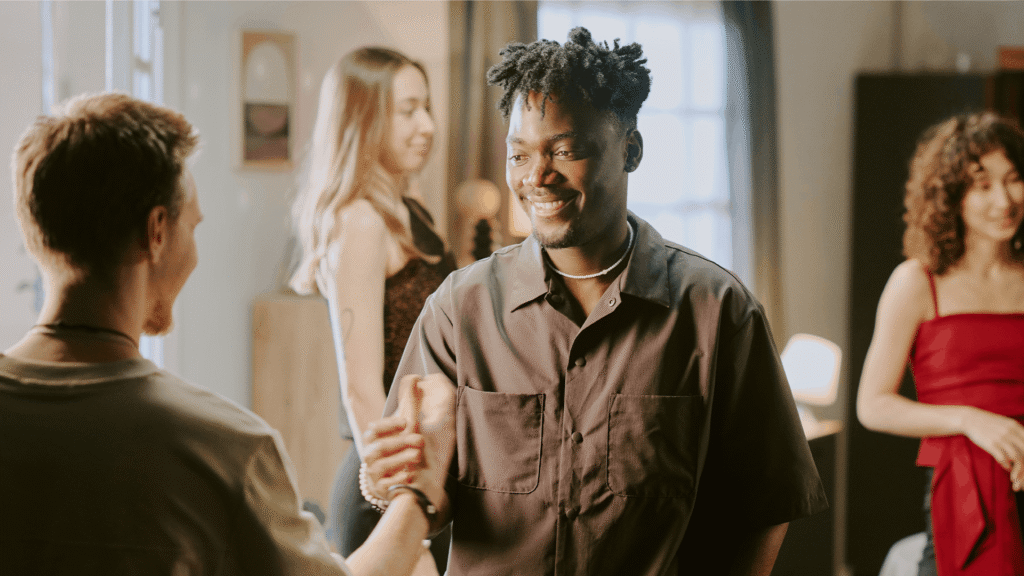
If your church has a time of greeting, build a culture of asking for handshakes and hugs before giving them. Make sure people can opt in or out of physical contact for any reason without feeling shame or embarrassment. A person may not want to shake hands because of sensory experiences or maybe because it’s cold and flu season. By setting a standard of consent, we can support a range of people.
Further, we can alter our language as we invite participation. In many places, language has shifted over the years to say, “stand if you are able,” which notes the need for accommodations; however, it maintains the norm of standing, with sitting being a secondary option.
We can shift our language to “prepare your soul to worship” and welcome the variety of ways that may look within a congregation. A leader can say at the beginning of worship that people are welcome to sit, stand, kneel, or sway—however they need to engage their body in worship. This gives people control over their bodies and allows them to participate more fully in moments of worship.
Create Clear Expectations for Worship Services
Much of the worshipping experience has been developed through generations of tradition. Those familiar with these traditions may find comfort and safety in the predictable words and routines. While those unfamiliar with these traditions may feel anxious or left out. Churches can share explicitly what to expect during the service.
An order of worship is a great tool to introduce at the beginning of the service, along with a greeting and any guiding details. As people lead from the platform or pulpit, they can give voice to what they are about to do by saying, “Pray this invocation with me to invite the Spirit of God among us.” Or, “I am reading a passage from the Gospel of Matthew. At the end, I will say, ‘The Word of the Lord,’ and you are invited to respond, ‘Thanks be to God.’”
Churches can also use a “Now, Next” schedule to let non-readers and others follow along with the service. “Now, Next” is a tool that uses symbols for each moment of worship to display what is currently happening and what will happen next.
These small moments of clarification can help ease the nerves of those who are unsettled in transitions. They can also help those who may not be able to read the order of worship know what to expect.
Build a Sensory Library
Churches can provide access to fidgets, weighted blankets, headphones, and other sensory tools for all worshippers. These can be kept in a worship cart by the entrances to the space or in other accessible areas. If possible, make these resources available for members of all ages, rather than designating this specifically for children. For example, name the collection of resources a “sensory library” rather than a “children’s worship cart.”

Additionally, some churches opt to include an area within the worship space with alternative seating and resources for children and families. These areas are often known as “praygrounds” and can be found at the front or rear of different worship spaces.
Practice Grace and Understanding
I had the chance recently to speak with a group of neurodivergent youth who are active in a local church youth group. In the conversation, I asked what they would want others in church to know about their experience. Their shared and very quick response was, “Give us grace.”
They talked about how they know their behavior may be atypical in church. They may fidget more, leave worship at certain times, or not be there every week. But in all of this, they hoped others would understand they are doing their best. They are present when they can be. They want to be there, and they are taking care of their bodies and minds in a world that does not always take their experiences into account.
As a church, we believe that worship is a time to gather as a community and focus on God. To do this work, we must be mindful of all members of our congregation. We are blessed today to have a generation growing up with language to describe their experience. By listening and believing, we can adapt our gathering practices to ensure everyone has equal accessibility to participate in worship.
Another Resource for Inclusive Worship
The Baugh Center for Baptist Leadership has a three-part audio podcast on inclusive worship practices. The episodes are 20-25 minutes in length and discuss theology as well as practical tools and ideas for making worship more inclusive.
Further Reading

Harrison Litzell
Guest Contributor
Leave a Reply