
Subscribe to our blog
Sign up to receive new posts directly to your inbox.
-

Welcoming Neurodivergent Youth
Welcoming neurodivergent youth means creating inclusive spaces with empathy and flexibility—where all are seen, supported, and celebrated as the beautifully diverse, God-created people they are. Here’s how to start.
-
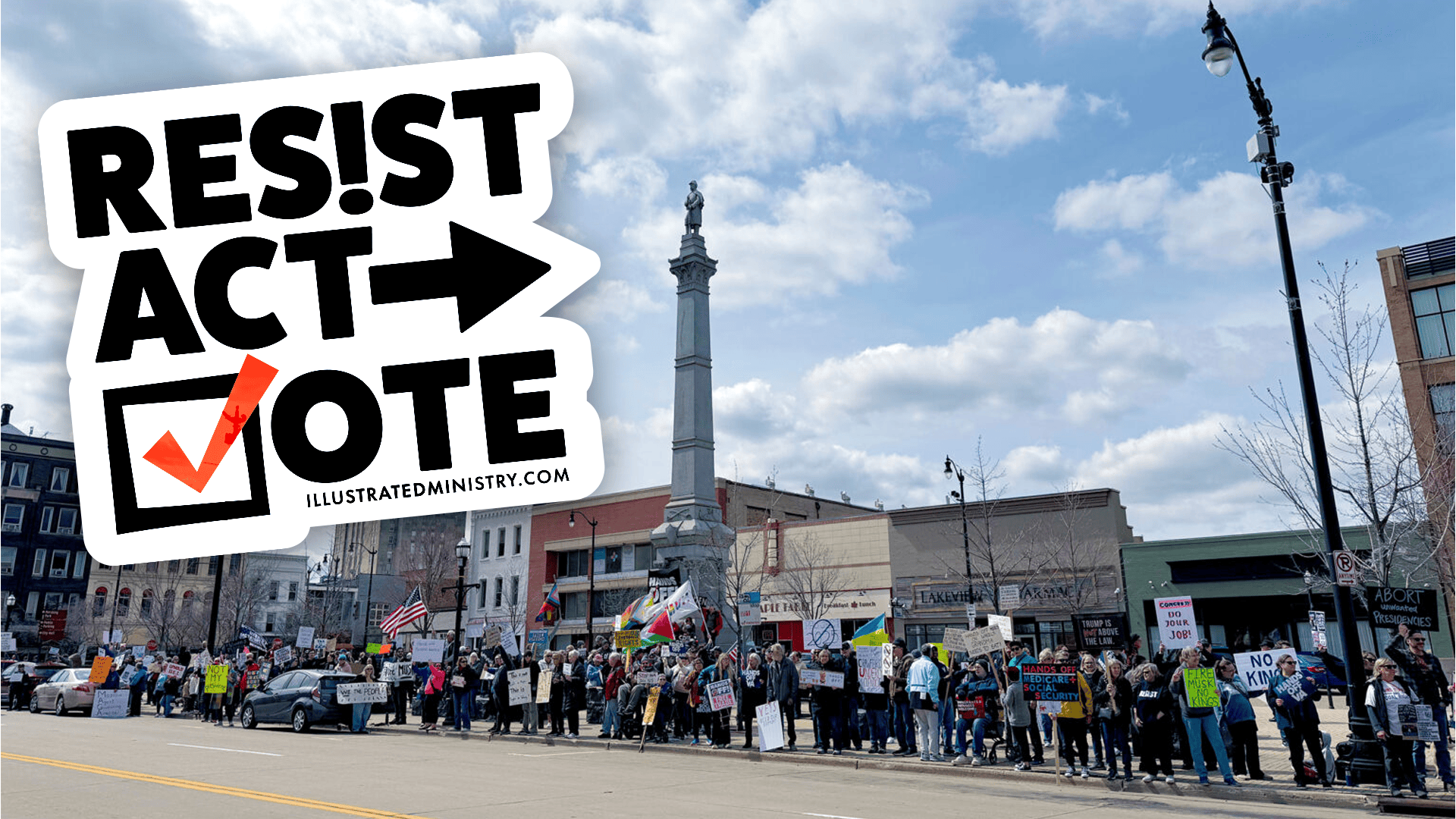
If You Haven’t Yet…It’s time to Get Political: Resist. Act. Vote.
Jesus didn’t shy away from politics—and neither should we. As followers of Christ, we’re called to resist injustice, act with purpose, and vote with hope.
-

Welcoming and Affirming Queer Youth
Many churches say “all are welcome,” but for queer youth, true affirmation takes more. Explore how to create genuinely inclusive spaces where young people feel seen, supported, and loved.
-

Got Empathy?
Empathy is not a sin. Explore why it matters, why it’s under attack, and why it’s central to the Gospel. And grab our “Got Empathy?” sticker.
-

How to Talk to Youth About Anxiety
Geared to help youth practitioners talk to youth about anxiety by exploring biblical meanings of anxiety, peace, and practical steps to cultivate wholeness.
-

New Churchwide Lenten Resource: Bread of Life
Introducing Bread of Life, a complete Lenten resource with curricula, devotionals, and liturgies to nourish your congregation’s spiritual journey throughout the season.
-

Bishop Budde’s Plea for Mercy and a Call to Action
January 20, 2025, brought fear for many. Explore ways to respond with a free youth lesson, advocacy tips, and support for Bishop Mariann Budde’s call for unity.
-

Becoming an Antiracist Youth Group
Help young people explore faith and justice by building an antiracist youth group. Discover theological insights on racism as sin, practical steps for fostering conversations, and a free Bible study resource.
-

Youth Christmas Party Ideas
Ease the holiday stress while planning a meaningful youth Christmas party. Explore three focus areas—ministry goals, community needs, and intentional planning—plus simple ideas like movie nights, caroling, and baking.
-

Storytelling with Shapes: Christmas
Explore a creative resource that uses simple shapes to tell the Christmas story. Perfect for all ages, this activity fosters connection, reflection, and engagement during the Advent and Christmas season.
-

Tell Me About the Bible: An Inspiring Progressive Youth Curriculum
Tell Me About the Bible: Extraordinary Leaders offers a progressive, ready-to-use youth curriculum that fosters biblical literacy and curiosity. Download free sample today.
-

Post-Election Resources for Kids, Youth, and the Grown-Ups Who Love Them
Help kids and youth process post-election feelings with resources that include engaging activities. These tools encourage open dialogue, support emotional well-being, and foster hope and resilience in young people.